
You can get used to almost anything.
The low buzz of anxiety in the background of every day. A loss that follows you from room to room, knocking over furniture. Relationships that leave you feeling lonely even while you’re surrounded by others, shoulders touching. The aftermath of a thing that happened years ago but still seems to have a pulse. The ways we adapt, accommodate, and fold difficult things into our days can be so gradual that we hardly notice the cost.
People are remarkably inventive when it comes to getting through things. We stay busy. We explain. We minimize. We stall. We hide. We get loud. We joke. We tell ourselves we're fine.
Sometimes we are.
Sometimes we're just tired. We’ve had conversations in parked cars. Long walks. Sleepless nights. We’ve read books, talked to friends, cried into bowls of food, made promises to ourselves, broken those promises, and started over again. We’ve wondered if we’re making too much of it. We’ve wondered if we’re not making enough of it.
Sometimes, after all of that, we find our way into a therapist's office.
* * * *
I work with adults and adolescents navigating anxiety, depression, trauma (especially sexual trauma), loss, and the unexpected turns that can alter the shape of a life.
I'm less interested in what's wrong than I am in what's happened. Therapy is about paying attention. To the patterns. To the stories. To the things you've learned to carry, and the things you were never meant to carry in the first place.
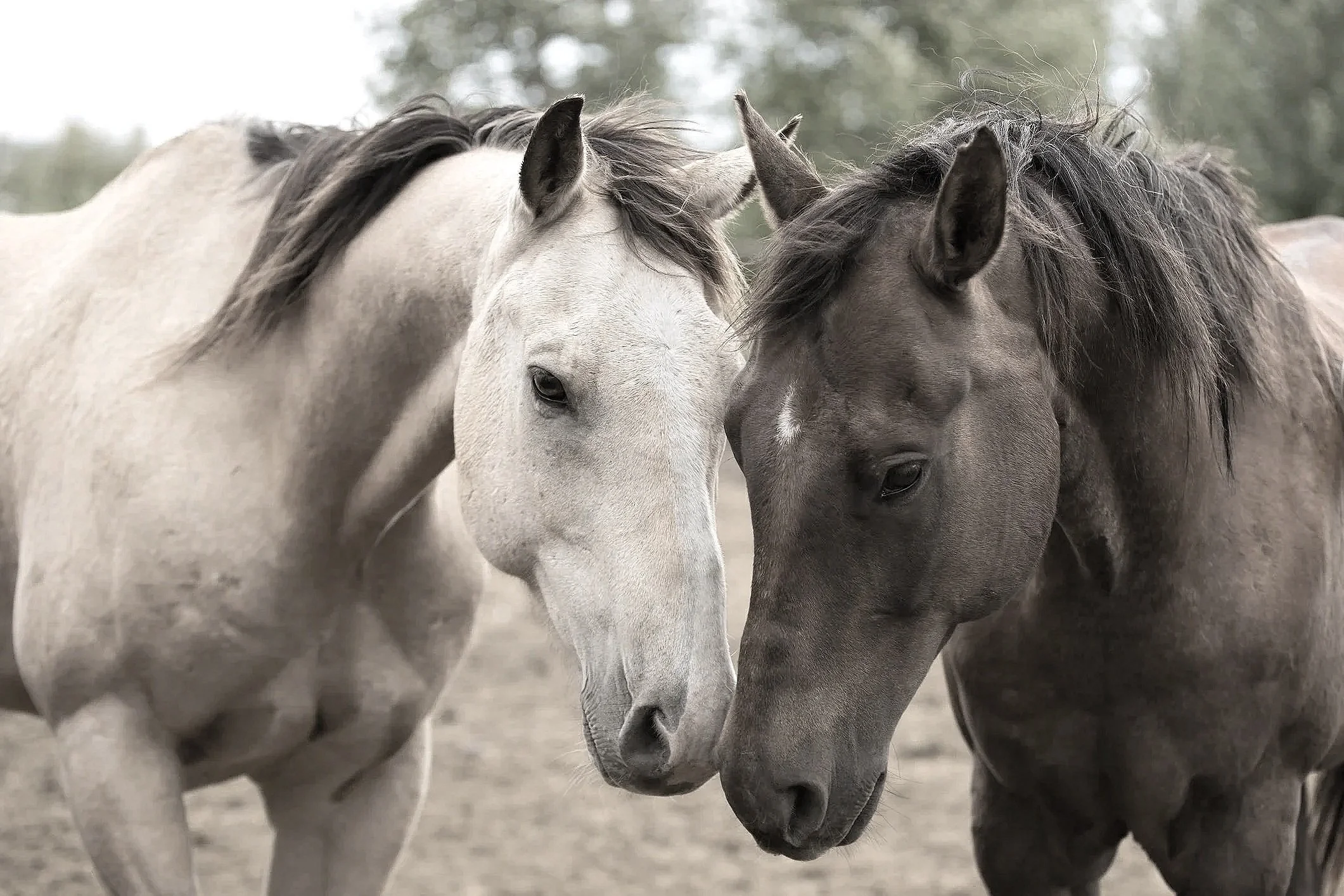
Much of how I work with people has been shaped by years spent with horses. Horses teach attentiveness without urgency, presence without pressure. They respond not to force or explanation, but to steadiness, clarity, and calm.
I bring that same quality of presence into my work: slow, watchful, and grounded. I pay close attention to subtle shifts—a change in breathing, a posture that tightens, a voice that grows quieter. Safety is rarely built by pushing for change. More often, it emerges when the conditions are right.